
Bras >
Underwear >

Lounge >

Sleep >
Explore Our Best
Sellers
Sale!
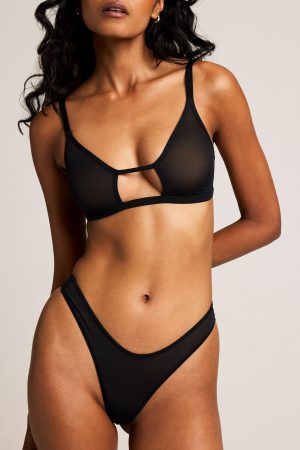
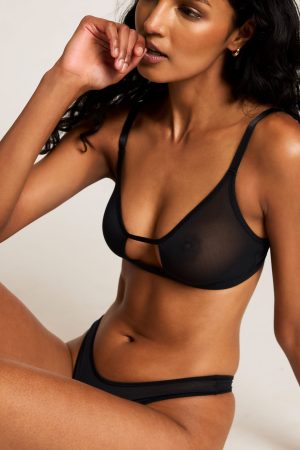
Price range: $21.00 through $35.70
Sale!
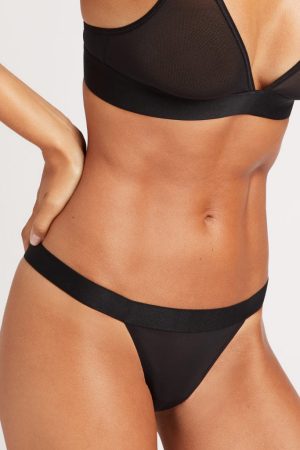
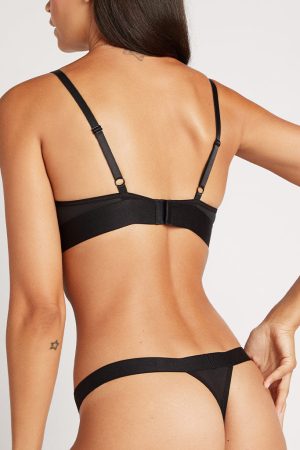
Price range: $9.60 through $16.80
Sale!
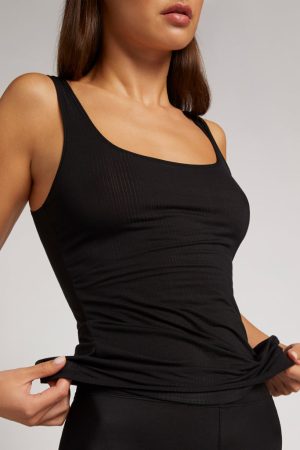
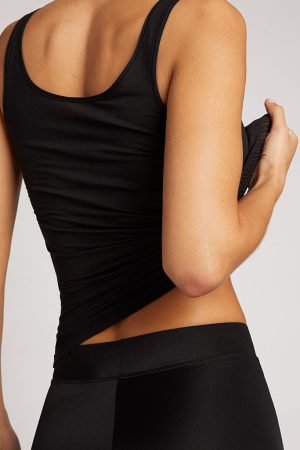
Price range: $22.50 through $42.60
Sale!


Price range: $15.00 through $28.50
Sale!
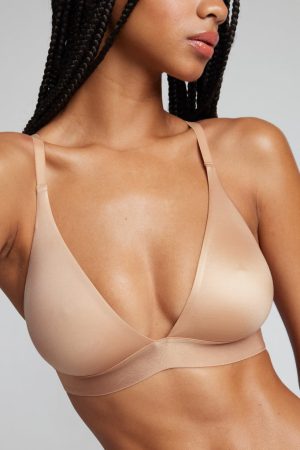
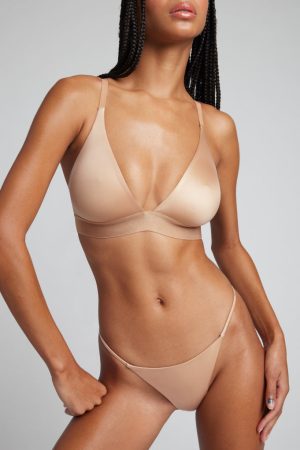
Price range: $22.50 through $38.40
Sale!


Price range: $21.00 through $35.70
Sale!
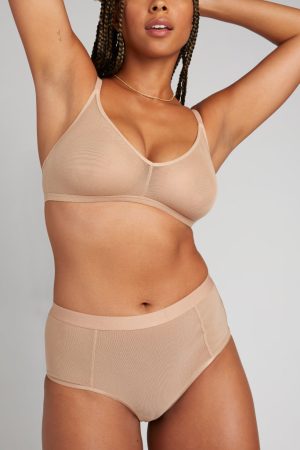
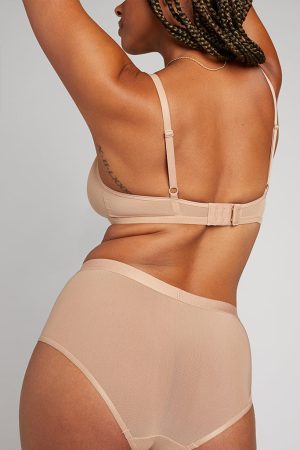
Price range: $21.00 through $35.70
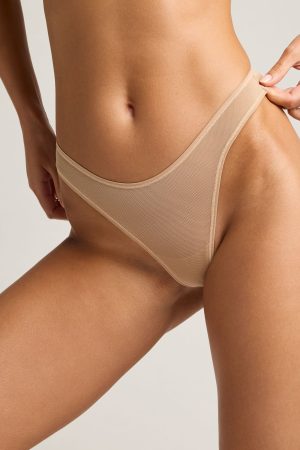
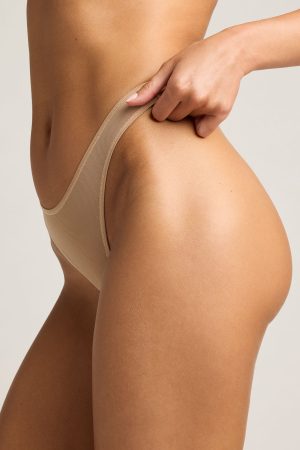
Sale!
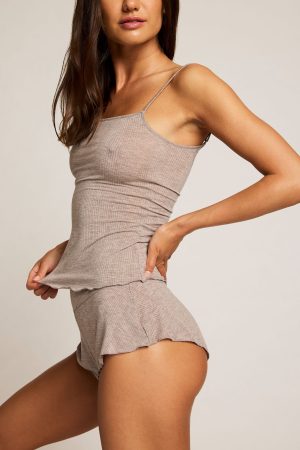

Original price was: $75.00.$22.50Current price is: $22.50.
Sale!
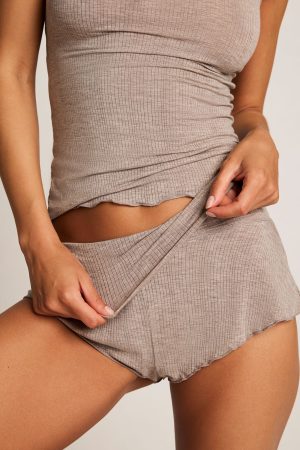
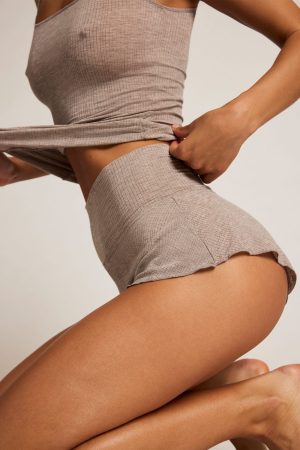
Original price was: $65.00.$19.50Current price is: $19.50.
Sale!
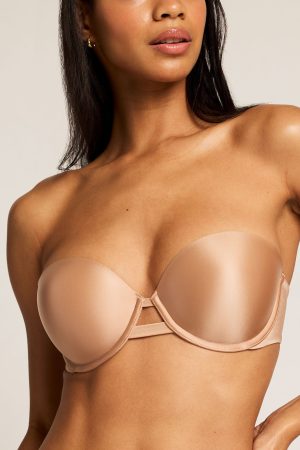

Original price was: $78.00.$23.40Current price is: $23.40.
Classic Recommendation.
The evolution of intimate apparel is as much a story of structural engineering as it is of fashion. When we look at the modern bra or bodysuit, we are looking at a complex assembly of components designed to manage weight, provide lift, and ensure skin health.
The Science of Fabrics
Modern intimate wear relies heavily on the “modulus” of fabrics—a term used to describe the tension and recovery of elastic fibers. Unlike standard outerwear, these garments must stretch to accommodate movement while maintaining enough compressive force to provide support. High-gauge knits, often involving fine synthetic filaments, are woven in specific patterns to allow for multidimensional stretch. This ensures that the garment moves with the body rather than against it.
Anatomy and Load Distribution
A well-designed piece of support wear functions by redistributing weight from the front of the torso across the back and shoulders. The “wing” of a bra—the part that wraps around the ribcage—is actually responsible for roughly 80% of the support. If this band is too loose, the shoulder straps take on the full load, leading to discomfort. Engineering the perfect fit involves calculating the ratio of the bridge (the center piece) to the cups to ensure the center of gravity remains stable.
The Future of Seamless Technology
Circular knitting machines have revolutionized the industry. By creating garments in a single tube without side seams, designers can eliminate friction points that cause skin irritation. These machines can vary the knit density in specific zones, providing more compression under the bust and more breathability along the spine, all within a single piece of fabric.